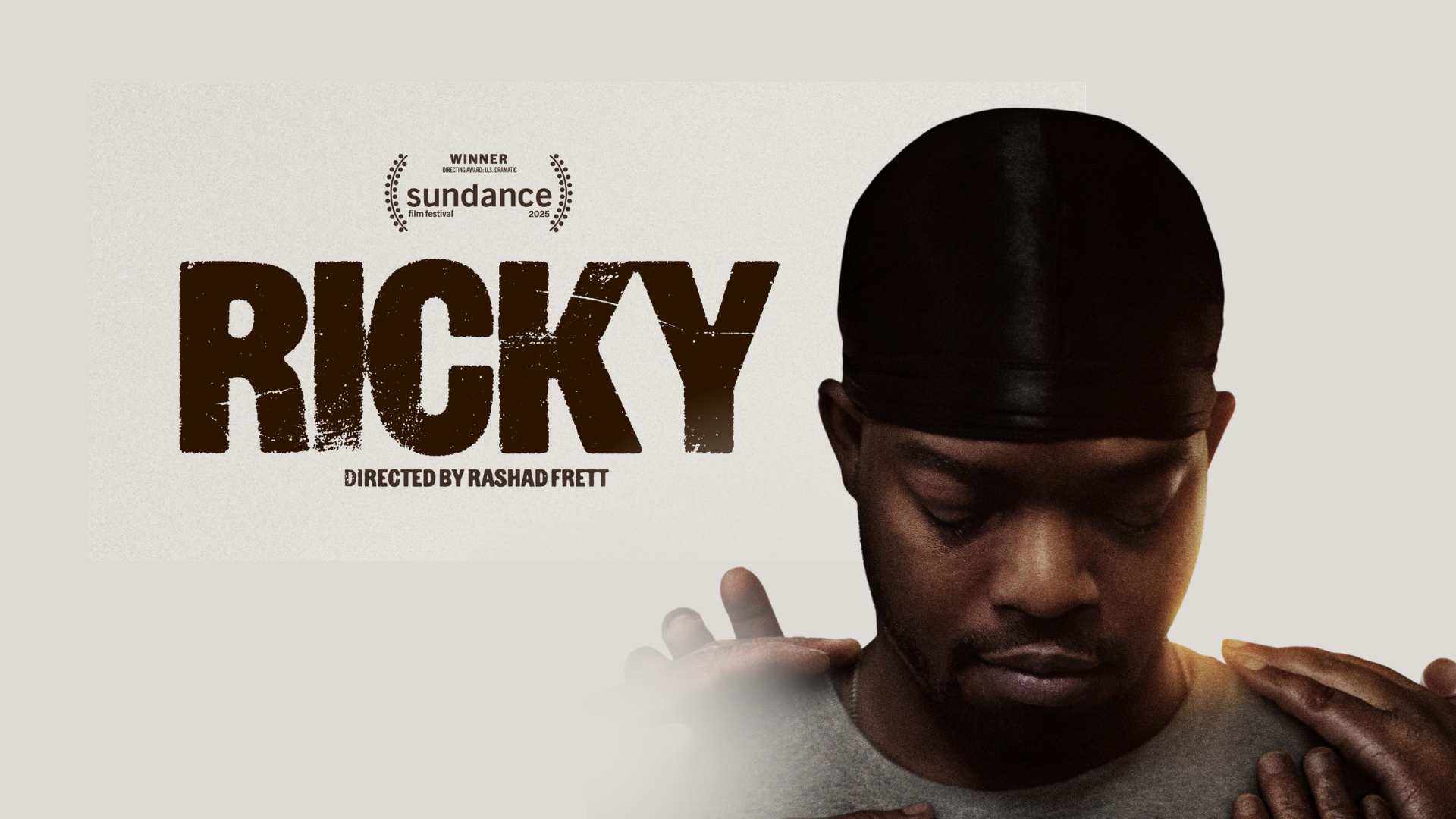
The film ‘Ricky’ follows a man determined to rebuild his life after incarceration, only to encounter the structural barriers, stigma, and uncertainty that often define the reentry journey. Through this story, director Rashad Frett sets out to humanize the experience and challenge assumptions about individuals with justice involvement.
Rashad Frett explained that the film was shaped by years of observing how people in his own community struggled after returning home and the difficulty of navigating systems not designed for second chances.
“Just because somebody did time, that doesn’t mean they’re damaged goods,” said Rashad. “We’re all human beings. My hope is that audiences empathize more with people trying to rebuild their lives.”
In Ricky, viewers watch the main character take meaningful steps forward, including securing employment and reconnecting with family, only to face setbacks when opportunities are taken away. These moments reflect the collateral consequences many individuals experience long after incarceration. Barriers like employment restrictions, lack of stable housing, and limited access to driver licensing can make rebuilding incredibly difficult.
These realities mirror the experiences of many individuals working to rebuild their lives. 66 percent of Chrysalis clients are justice impacted, with 44 percent having felony convictions. 72 percent are experiencing homelessness or housing instability. For many, reentry is not just about finding a job, but about navigating multiple systems at once while trying to establish stability.
Rashad emphasized that these layered challenges were intentional in the storytelling.
“He’s trying to reacclimate, but he’s struggling. He has good intentions, but due to systemic restraints, things become harder. He’s a human being just like everybody else.”
One of the central themes of the film is the critical gap that exists immediately after incarceration. While some individuals may receive support while incarcerated, the transition back into the community often leaves people navigating employment, housing, and daily life without consistent guidance.
“There’s a gap right when people come back into society. There needs to be more support there. Some programs exist inside, but once people return home, they’re trying to figure everything out on their own.”
This gap is where Chrysalis comes in. Access to employment, transitional opportunities, and hands-on training becomes essential. Many individuals returning home struggle to secure a driver’s license, build a work history, or gain the experience needed to compete in today’s job market. Transitional employment provides structure, income, and the opportunity to rebuild confidence while navigating reentry.
Through paid, short-term opportunities, individuals gain job experience, learn workplace expectations, and begin building a path forward. These experiences create stability while helping people overcome barriers that might otherwise prevent them from entering the workforce.
The importance of support systems is also reflected in Ricky. While the main character has a family encouraging him to succeed, the film acknowledges that many individuals do not have that foundation when they return home.
“I’ve known people who didn’t have that support. Some try to find that love somewhere else, and others struggle just meeting basic needs. It’s an unfortunate reality, but it’s real.”
Despite the challenges, Ricky ultimately centers resilience and the belief that change is possible. By focusing on humanity, accountability, and opportunity, the film invites viewers to reconsider what reentry truly looks like and what it takes to rebuild.
“When people gain perspective, it gives them a more open lens to look at things from both sides. That’s the goal of this film… to create understanding and make things better. Ricky is more than a film. It’s a conversation about reentry, the barriers that persist after incarceration, and the importance of creating pathways that support individuals as they rebuild their lives. The film is currently in limited theaters and available on Video on Demand starting June 2nd.